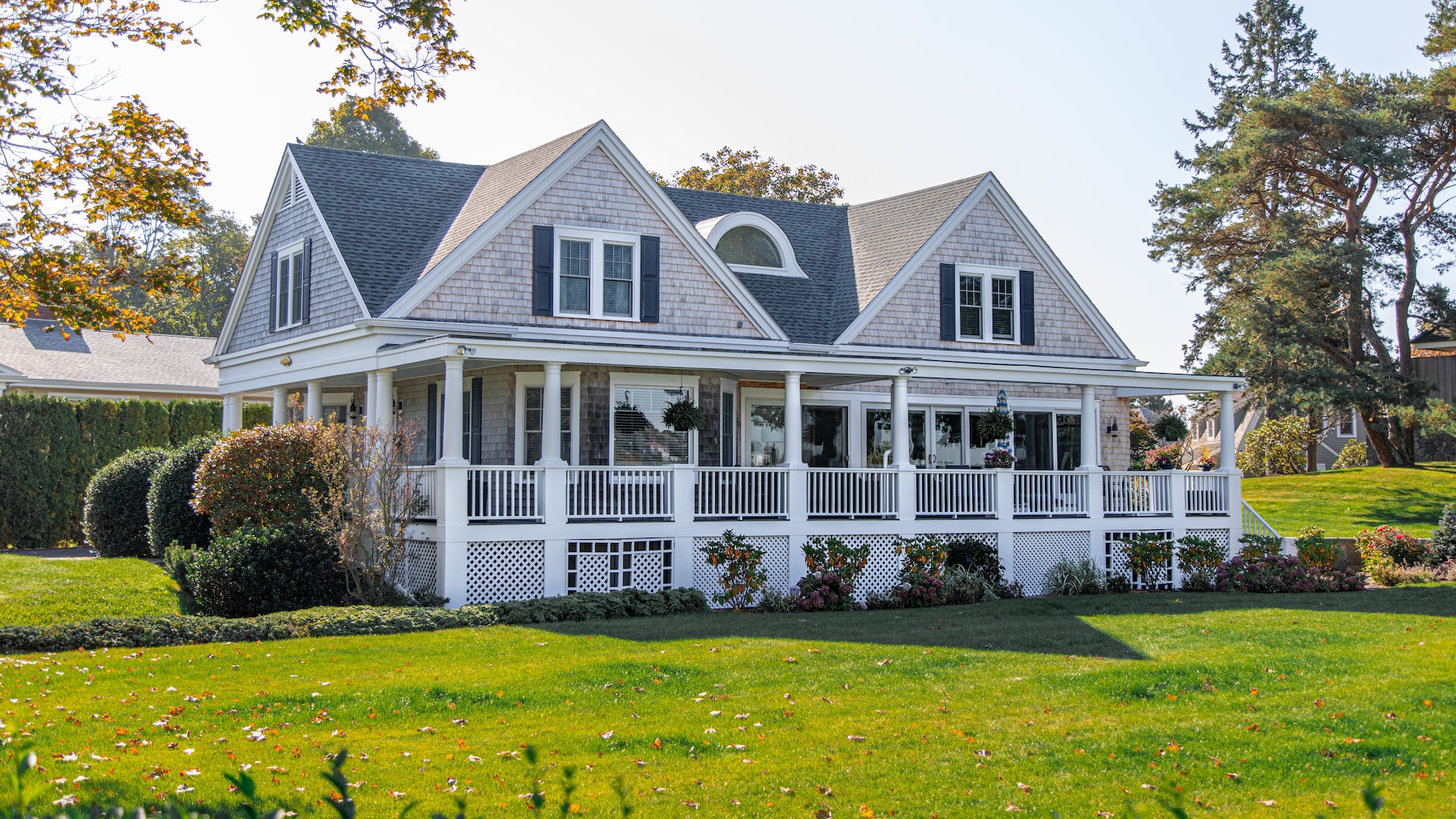
A mature tree can be the best feature of a property without ever asking for attention. It shades the deck in summer, softens the view from an office window and gives birds a place to gather. Then a branch starts brushing the roof, the driveway disappears beneath fallen fronds, or a heavy limb begins to look less reassuring after a storm.
For homeowners and small business owners across East Auckland, tree care is often a balancing act. You want the greenery, privacy and character, but you also need safe access, usable outdoor space and confidence in what is growing overhead.
East Auckland Tree Services is a local company to consider for tree removal services, tree cutting, trimming and pruning. Their East Auckland tree lopping services for safer, tidier outdoor spaces may also be worth exploring. Knowing what these different jobs involve makes it easier to have a useful conversation about your property—and to avoid removing a tree that might only need thoughtful maintenance.
Understanding East Auckland tree lopping
“Lopping” is a familiar word, but it can mean different things to different people. One property owner might use it to describe shortening an overhanging branch; another might mean dramatically reducing an entire canopy.
That distinction matters. Indiscriminate cutting can leave large wounds, spoil a tree’s natural form and encourage vigorous regrowth that may be poorly attached. Good tree care begins with the reason for the work, not simply the amount of foliage to remove.
Look beyond the branch that bothers you
A branch over a roof may be the most visible concern, but an assessment should consider the whole tree. Its species, condition, structure and surroundings all influence what makes sense.
A qualified arborist can help distinguish between routine maintenance, a structural problem and a situation where removal deserves consideration. When contacting East Auckland Tree Services, explain what has changed, what you are concerned about and what you hope to achieve.
Useful questions include:
- Can the tree be retained while addressing the problem?
- Would selective pruning provide enough clearance?
- Are there signs that warrant further investigation?
- Will the proposed work create an ongoing maintenance commitment?
- Do any council rules or other restrictions apply?
These questions turn a vague request to “cut it back” into a clearer plan.
Choosing Between Tree Trimming and Tree Pruning
The terms tree trimming and tree pruning often overlap in everyday conversation. However, they can suggest different priorities, and understanding those priorities helps you describe the job.
Trimming for clearance and presentation
Tree trimming commonly focuses on controlling growth around buildings, pathways, boundaries and outdoor living areas. For a residential property, that might mean keeping foliage away from guttering or opening up space above a garden path.
For a small business, it might involve improving visibility around an entrance or preventing branches from crowding customer parking.
The aim should not be to strip away every inconvenient shoot. A balanced canopy can provide shade and soften a building’s appearance while still allowing the property to function.
Pruning with the tree’s future in mind
Tree pruning places particular emphasis on structure, condition and suitable growth. Depending on the tree, this may involve removing dead branches, addressing rubbing limbs or making carefully selected cuts to improve clearance.
Timing and technique vary between species. There is no universal rule that every tree should be pruned in the same month or reduced by the same amount.
Ask what the proposed cuts are intended to achieve. A considered explanation is more useful than a promise to make everything smaller.
When Tree Removal Becomes the Practical Choice
Keeping a tree is not always the best outcome. A tree may be dead, seriously compromised, unsuitable for its position or incompatible with an approved property project.
Even so, tree removal should be a decision rather than a reflex. A large canopy can look intimidating without necessarily requiring removal, while a modest tree may present a complicated problem because of its location.
Consider the setting as well as the size
A tree beside a shed is a different proposition from one growing between a house, a fence and overhead services. Access for people and equipment also affects how work can be approached.
Before arranging a tree removal service, be ready to discuss:
- Nearby buildings, fences and garden features
- Driveway width and access restrictions
- Overhead lines and known underground services
- Whether neighbouring land might need to be accessed
- What should happen to logs, branches and other debris
- Whether stump treatment or removal needs a separate quote
Do not assume that removing the trunk includes removing the stump or restoring the ground. Those details belong in the agreed scope.
Check permissions before work begins
Some trees may be protected through Auckland planning provisions, resource consent conditions or other restrictions. Trees near boundaries can also raise ownership and access questions.
Check the applicable requirements before commissioning significant pruning or removal. Your contractor may be able to help identify what needs checking, but permission should never be taken for granted.
Giving Heavy Branches the Attention They Deserve
Sometimes the problem is not the whole tree. One damaged branch over a play area or a low limb above a driveway can be enough to change how comfortably you use a property.
Tree branch removal and tree limb removal require more judgment than their straightforward names suggest. The weight of a limb, its attachment and the space beneath it all matter.
Why controlled cutting matters
A branch can move unexpectedly as it is cut. It may swing, split or drop into something well beyond the spot directly underneath it.
Professional tree cutting may involve sectional removal and controlled lowering where circumstances require it. The appropriate method depends on the site and should be determined by the people assessing and carrying out the work.
For property owners, the sensible preparation is simple. Keep people and pets away, move vehicles when instructed and avoid setting up ladders or attempting preliminary cuts yourself. Branches close to power lines require particular caution and coordination with the relevant electricity network.
Palm Trees Need Their Own Plan
Palms bring a distinctive look to East Auckland gardens, but their maintenance can be surprisingly demanding. Heavy fronds, awkward access and accumulated material around the crown can make a seemingly simple tidy-up more involved.
Palm tree removal also differs from removing a conventional branching tree. The trunk, crown, surrounding structures and available working space all influence the approach.
Separate maintenance from removal
Before deciding to remove a palm, identify the actual problem. Is it shedding material onto a walkway? Has it become difficult to maintain? Is its position unsuitable for the space?
Discuss whether maintenance would meet your needs or whether removal is the more practical option. Confirm that the contractor handles the particular palm species and the conditions at your property, rather than assuming all tree services cover every situation.
Making Space Without Clearing Away the Character
A new workshop, garden redesign or business expansion may require land clearing. The challenge is to create usable space without automatically discarding the features that make the site appealing.
A mature tree in the right position can provide valuable shade and visual screening. Retaining it may also influence where paths, parking or outdoor seating are best placed.
Start with a site plan
Before clearing vegetation, mark what should stay and what may need to go. Include less obvious considerations such as access routes, drainage features and the likely root areas of retained trees.
Construction activity can damage trees even when nobody cuts a branch. Excavation, soil compaction and storing heavy materials near roots may create problems later.
If you are discussing a larger project with East Auckland Tree Services, explain the intended use of the site as well as the immediate cutting work. Ask which elements they can undertake and whether any specialist input is needed.
Preparing for Urgent Tree Problems
Storm damage can turn a familiar garden into an unfamiliar hazard. A hanging branch, split trunk or tree resting against a structure calls for distance and caution, not a closer inspection from a ladder.
Emergency tree removal may be necessary in some circumstances, but the first priority is keeping people away from danger.
What to do while seeking help
- Keep family members, staff, customers and pets clear of the affected area.
- Do not stand beneath damaged or suspended branches.
- Treat any fallen or damaged power line as live and contact the electricity network.
- Call emergency services if there is an immediate threat to life.
- Take photographs only from a safe position.
- Confirm a contractor’s availability rather than assuming an immediate response.
Weather and site conditions can affect when work can safely begin. When contacting a provider, describe any damage to buildings, blocked access or nearby electrical infrastructure.
Finding the Right People for the Job
Searching for a tree arborist or tree surgeon can produce a wide range of results. The terminology alone does not establish someone’s qualifications, experience or suitability for your project.
What matters is who will assess the tree, who will carry out the work and how the job will be managed.
Ask for a clear scope
A useful quote should make it easy to understand what is included. Look for a description of the intended work, debris handling, access arrangements and any exclusions.
Ask about relevant qualifications, insurance and experience with comparable sites. For more complex work, discuss how nearby buildings and retained vegetation will be protected.
The East Auckland Tree Services website can be a starting point for your enquiry. Follow that initial research with a site-specific conversation rather than relying on a general service description.
Frequently Asked Questions
Does a large tree automatically need removing?
No. Size alone does not establish whether a tree needs removal. Its condition, structure, species and relationship to the surrounding property are more useful considerations.
Can pruning bring more light into a garden?
Sometimes, but the outcome depends on the tree and where the shade falls. Selective work may help, although excessive canopy removal can harm the tree and does not guarantee lasting results.
Is stump removal normally included?
Not necessarily. Ask whether the quote covers the stump, what method is proposed and what material will remain afterwards.
Can I cut back branches over my boundary?
Do not assume every overhanging branch can be cut without further checks. Tree protection rules, property rights and the risk of damaging the tree may all be relevant. Seek appropriate advice before proceeding.
How often should trees be maintained?
There is no single schedule for every property. Species, age, condition, location and previous work all affect maintenance needs. Ask for recommendations based on the actual trees rather than booking unnecessary cutting by habit.
Give Your Outdoor Space a Thoughtful Next Step
Good tree care is not measured by how much greenery disappears. It is measured by whether the work solves a genuine problem while respecting the property, the tree and the people who use the space.
Start by identifying your priorities: safer access, better clearance, manageable maintenance or room for a new project. Then discuss those priorities with East Auckland Tree Services and ask for a clearly defined approach.
Whether your property needs careful pruning or a planned removal, an informed first conversation can help turn an awkward outdoor problem into a more comfortable place to live or work.