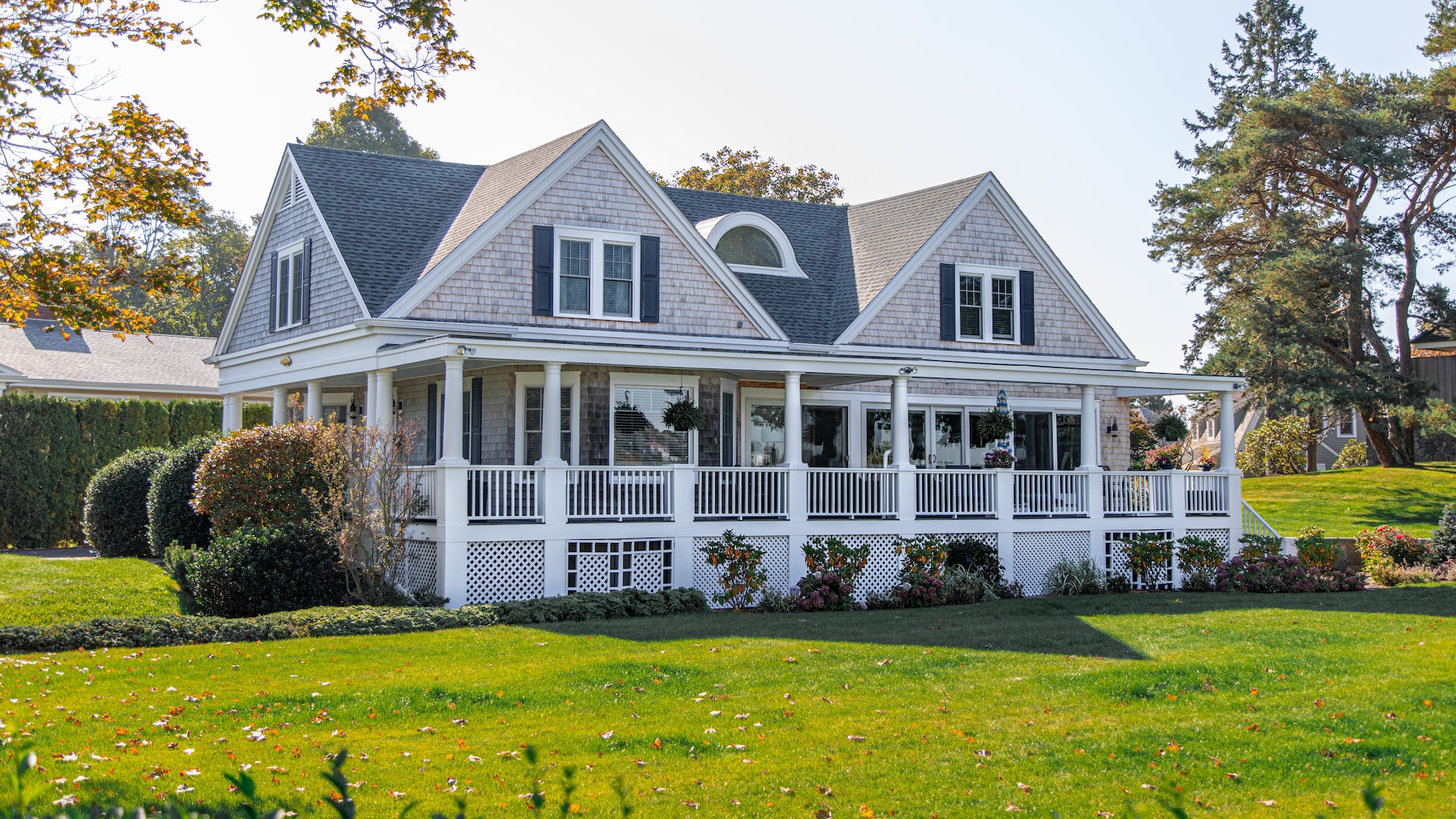
A tree can be the reason you fall in love with a property. It frames the front door, shelters the deck and makes an ordinary afternoon feel a little more private. Years later, that same tree might be brushing the roof, crowding the driveway or dropping branches where customers park. The question is no longer simply whether you like it. It is whether it still suits the space.
Across the North Shore, mature gardens and leafy commercial sites need thoughtful care. Sometimes that means a careful prune. Sometimes it means removing a damaged limb. Occasionally, the most sensible decision is to take the whole tree down.
North Shore Tree Services provides tree removal services, tree cutting, trimming and pruning for these changing outdoor spaces. For homeowners and small business operators, understanding the differences between those jobs makes it easier to ask useful questions, compare recommendations and plan work with confidence. Learn more about North Shore tree felling and removal services to explore your options.
Understanding North Shore tree felling
Felling sounds straightforward until you consider everything surrounding a tree. There may be a neighbour’s fence beneath the canopy, a narrow side entrance, overhead wires or a busy footpath just beyond the boundary.
Professional tree removal begins with those constraints, not with a saw.
An arborist considers the tree’s condition, its structure and the space available for the work. Where conditions allow, a tree may be felled into a suitable clear area. In tighter settings, it may need to be dismantled in sections, with branches and trunk pieces lowered in a controlled way.
The appropriate method depends on the individual site. A large lawn does not automatically make removal simple, just as a small courtyard does not necessarily make it impossible.
When removal deserves serious consideration
A tree does not have to be dead to become unsuitable for its location. Equally, a tree that looks untidy does not automatically need removing.
Reasons to seek an assessment include:
- Large dead branches above frequently used areas.
- A new or increasing lean, particularly after severe weather.
- Cracks, splitting or visible changes around major branch unions.
- Suspected decay near the base or within the trunk.
- Repeated interference with buildings, access or essential infrastructure.
- Significant damage that may have compromised the tree’s stability.
These are reasons to obtain professional advice, rather than a checklist for diagnosing a tree yourself. Some serious defects are difficult to see from the ground, while some dramatic-looking features are not necessarily dangerous.
Choosing Between Pruning and Removal
The best outcome is not always the largest job. A well-planned pruning programme may resolve an issue while preserving the shade, privacy and character that made the tree valuable in the first place.
The useful starting question is simple. What needs to change?
Perhaps a delivery van needs more clearance. Perhaps branches are touching a building. Perhaps the garden has become too shaded for the planting below. Identifying the actual problem helps prevent unnecessary or excessive cutting.
Tree trimming for everyday clearance
Tree trimming is often used to describe work that manages growth around a particular space. It might involve keeping branches away from a roofline, maintaining access along a path or tidying growth around a commercial entrance.
The aim should be appropriate clearance without leaving the tree badly unbalanced or stripped of foliage.
For a small business, this can be as practical as making a sign visible again or preventing low branches from obstructing customers. Around a home, it may restore comfortable access to a washing line, gate or garden shed.
Tree pruning for structure and condition
Tree pruning involves selecting branches for removal to achieve a defined objective. That might include removing deadwood, addressing competing growth or improving a young tree’s developing structure.
Timing and technique matter. Different species respond differently to pruning, and removing too much living canopy can stress a tree.
An experienced tree arborist should be able to explain what will be cut, why those cuts are appropriate and what the likely result will look like. A recommendation becomes much more useful when it comes with a clear purpose.
Making Sense of Tree Care Language
Tree care terminology can feel surprisingly crowded. Search for help and you may encounter “arborist”, “tree surgeon”, “tree cutting” and “tree lopping” used as though they all mean the same thing.
They do not always describe the same work.
Arborist and tree surgeon
An arborist is a professional working in tree care and management. Tree surgeon is a familiar everyday term, commonly associated with practical work such as climbing, pruning and removing trees.
Rather than choosing a contractor by terminology alone, ask about relevant qualifications, experience, insurance and the proposed method. Those details provide a more useful basis for a decision.
Tree cutting and tree lopping
Tree cutting is a broad description. It may refer to anything from removing a single branch to dismantling an entire tree.
Tree lopping often describes cutting back substantial branches, sometimes without regard to natural growth points or long-term structure. Severe, indiscriminate cutting can leave large wounds and encourage poorly attached regrowth.
If someone recommends a major canopy reduction, ask how the work will affect the tree over time. A smaller-looking tree is not automatically a safer or healthier one.
Giving Individual Branches Proper Attention
Not every concern calls for whole-tree removal. Sometimes one damaged branch is the issue.
Tree branch removal may be appropriate where a branch has died, split or begun rubbing against a building. Tree limb removal generally refers to larger structural branches, although everyday usage varies.
The important distinction is not the label. It is the size, position and loading of the wood being removed.
Why a single limb can be complicated
A branch may be under tension, supported by another limb or extending over a fragile structure. Once cut, it may swing, split or drop in an unexpected direction.
Even apparently modest work can create serious risks when it involves ladders, chainsaws or overhead cutting. Larger limbs may require rigging and controlled lowering rather than a simple cut.
When requesting a quote from North Shore Tree Services, describe what sits beneath the branch as well as the branch itself. A greenhouse, parked vehicle or shared accessway can materially affect how the work needs to be planned.
Planning Tree Removal Around Daily Life
A tree removal service should be considered in the context of the whole property. Getting the tree down is only one part of a successful job.
Before work begins, discuss practical details such as:
- Access
Identify gates, steps, narrow passages and any restrictions on machinery. - Work areas
Clarify where equipment, branches and timber may be placed. - People and pets
Arrange to keep children, animals, staff and visitors outside the work zone. - Waste handling
Confirm whether branches and timber will be removed, chipped or left as agreed. - The stump
Ask whether stump treatment or grinding is included, available separately or outside the proposed scope. - Nearby property
Flag fences, garden features, underground services and neighbouring structures.
For a business, scheduling can be especially important. Deliveries, customer parking and pedestrian access may need temporary changes. A short conversation beforehand can prevent a considerable amount of disruption later.
Handling Palms and Overgrown Sections
Some properties present a different challenge from the familiar broad-canopied garden tree.
Palm tree removal
Palms have a distinctive structure, and their crowns, trunks and fronds can create particular handling difficulties. Depending on the species, dead fronds, fruit and seed material may also become a persistent maintenance problem.
Palm tree removal should be assessed on its own merits, including the palm’s height, access and nearby structures. Ask whether the contractor handles the particular species and how the resulting material will be managed.
Do not assume that a narrow trunk means a straightforward job.
Land clearing with a defined purpose
Land clearing may form part of a renovation, redevelopment or garden reset. The temptation is to remove everything and decide what comes next afterwards.
A more considered approach starts with a plan. Identify vegetation worth retaining, check applicable rules and establish how the cleared area will be used.
Retained trees may need protection from machinery, excavation and stockpiled materials. Clearing work should also account for erosion, drainage and what will replace the vegetation. An open site is only an improvement if it supports a better long-term layout.
Responding Calmly to Storm Damage
After strong winds, a hanging branch or leaning tree can make a familiar garden feel suddenly uncertain.
Emergency tree removal requires caution. Keep people away from the affected area, avoid standing beneath damaged limbs and do not attempt to pull suspended branches down yourself.
If a tree or branch is touching, or may be touching, power lines, stay well clear and contact the electricity network operator or emergency services as appropriate. Never assume a fallen line is safe.
Information that helps when seeking assistance
When it is safe to do so, explain:
- Where the tree is located.
- Whether anyone is injured or immediately at risk.
- Whether access to the property is blocked.
- Whether buildings, roads or power lines are involved.
- What has visibly changed.
Photographs taken from a safe distance may help a contractor understand the situation. However, do not approach an unstable tree to obtain a better picture. Ask North Shore Tree Services about availability rather than assuming an immediate emergency response is offered.
Frequently Asked Questions
Do I need permission before removing a tree?
Possibly. Rules can depend on the property, the tree and any relevant protections or consent conditions. Check current Auckland Council requirements before commissioning work, particularly where a tree may be scheduled or otherwise protected.
How much will the work cost?
Price depends on factors including size, condition, access, nearby obstacles, equipment requirements and waste handling. A meaningful quote needs a clear scope. Comparing prices is easier when each contractor is quoting for the same work.
Can pruning make a tree completely safe?
No tree can be guaranteed risk-free. Appropriate pruning may address particular defects or reduce certain risks, but it cannot eliminate every possibility of branch failure or storm damage.
Should I remove a tree that drops leaves everywhere?
Leaf fall alone is not usually a safety issue. Consider whether maintenance changes or suitable pruning could address the inconvenience. Removal may still be an option, but it is worth weighing the loss of shade, privacy and landscape character.
What should I ask before accepting a quote?
Ask about the recommended approach, relevant experience, insurance, waste removal, stump arrangements and any exclusions. Confirm who is responsible for checking permissions and how unexpected complications will be handled.
Give Your Outdoor Space a Clearer Future
Good tree care is not about making every garden look freshly cut. It is about helping outdoor spaces work safely and comfortably for the people who use them.
For some North Shore properties, that will mean selective pruning and a little more clearance. For others, it will mean removing a declining tree and making room for something better suited to the site.
Before arranging work, identify your priorities, gather your questions and seek a clear assessment. North Shore Tree Services offers a local starting point for discussing removal, cutting, trimming and pruning. A thoughtful plan now can preserve what you love about your property while addressing what no longer works.