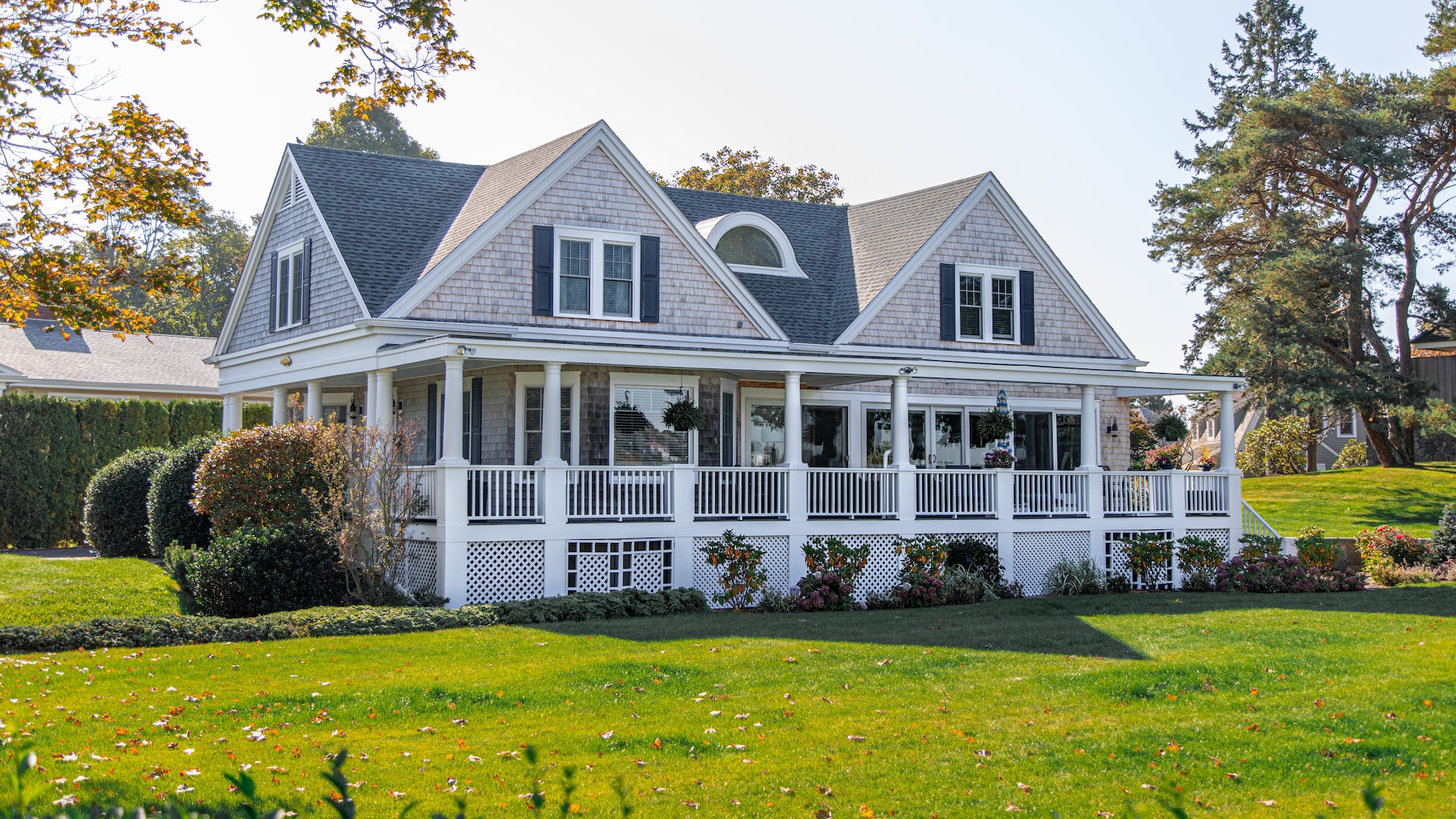
A mature tree can make a property feel established long before the front door opens. It shades the driveway, softens the roofline and gives birds somewhere to settle between visits to the garden. Around Cronulla, it may also frame a glimpse of sky or provide welcome shelter from the coastal breeze.
Yet trees are living structures, not permanent garden fixtures. Branches grow towards buildings, roots encounter paving, and old damage can become more significant over time. For homeowners and small business operators, deciding what to do next is rarely as simple as reaching for a saw.
The best starting point is to understand the tree, the space around it and the outcome you actually need. Sometimes that means careful pruning. Sometimes removal is the more practical option. For local property owners weighing up professional tree felling in Cronulla, knowing the difference helps turn an uncertain garden problem into a well-planned job.
Understanding tree felling in Cronulla
Tree work in a coastal suburb involves more than assessing height and choosing a cutting direction. Wind exposure, nearby homes, narrow access, parked vehicles and overhead infrastructure can all influence how work should be approached.
A tree that appears to stand in an open backyard may still have branches extending above a neighbour’s shed. A small commercial courtyard may offer little room for lowering timber. Even moving cut material from the garden to the street can require planning.
Removal is not always a single cut
People often imagine felling as one cut followed by a tree falling into an empty space. On residential sites, that picture may bear little resemblance to the actual work.
Where space is restricted, tree removal may involve dismantling the canopy and trunk in controlled sections. The appropriate method depends on the tree’s condition, its surroundings and the equipment and access available.
A site assessment should help establish:
- Whether the whole tree needs to be removed.
- Whether pruning could address the concern.
- How nearby buildings, fences and gardens will be protected.
- Whether branches or trunk sections require controlled lowering.
- How timber and other material will leave the property.
- Whether council approval or further assessment is required.
These details shape both the scope of the job and the usefulness of the quote.
Start With an Arborist Assessment
A tree can look healthy from the kitchen window while carrying structural defects that are difficult to spot from a distance. Equally, a tree with sparse foliage is not automatically beyond recovery.
An arborist assesses trees using knowledge of their biology, structure and growing conditions. Depending on the circumstances, an assessment may consider branch attachments, cavities, deadwood, fungal growth, root disturbance and changes in canopy density.
What the different job titles mean
When searching for help, property owners may encounter terms such as tree surgeon, tree arborist and tree cutting contractor. Everyday usage varies, so a title alone should not determine who gets the job.
Instead, ask about qualifications, relevant experience, insurance and the proposed work method. If a written report is needed for a council application or another formal purpose, check the current qualification requirements before commissioning it.
A useful assessment should explain both the concern and the reasoning behind the recommendation. “It needs to go” is less helpful than a clear discussion of the defect, the available options and any limitations of the inspection.
Choosing Between Tree Trimming and Tree Pruning
Tree trimming and tree pruning are often used interchangeably, but property owners usually have different outcomes in mind when using those terms.
Trimming may describe managing growth around a path, building or outdoor seating area. Pruning is a broader practice that can include removing dead branches, improving structure or selectively reducing particular limbs.
The important issue is not which word appears on the quote. It is whether the proposed cuts have a sound purpose.
Match the work to the problem
A branch brushing against a shop awning does not necessarily justify reducing the entire canopy. Similarly, a shaded garden bed may call for a different solution from a damaged branch over a driveway.
Useful objectives might include:
- Creating appropriate clearance around a roof or gutter.
- Removing dead or broken branches.
- Maintaining access along a walkway.
- Improving the structure of a developing tree.
- Reducing selected branch lengths where justified.
Excessive foliage removal can stress a tree and affect its future growth. Good tree services should focus on what is needed rather than simply removing the largest possible volume of material.
Be cautious about tree lopping
Tree lopping commonly refers to cutting back substantial branches or stems without regard for suitable pruning points. It may produce an immediate change in size, but it can also leave large wounds and encourage vigorous regrowth with poor attachments.
That does not mean every significant cut is inappropriate. It means the contractor should be able to explain why a particular treatment is suitable for that tree.
When Tree Removal Makes Practical Sense
Keeping an established tree is often desirable, but retention is not always workable. Serious structural defects, advanced decline, storm damage or an unavoidable conflict with an approved building project may make removal appropriate.
The decision should consider the whole site rather than a single symptom.
Look beyond leaves and shade
Seasonal leaf fall, for example, is usually a maintenance issue rather than evidence that a tree is unsafe. A leaning trunk also needs context; some trees have grown at an angle for years, while a recent change in lean may warrant prompt attention.
Other observations worth discussing with a professional include fresh cracking, soil movement near the base, hanging branches and sudden canopy dieback. None should be diagnosed solely from a photograph or a brief description.
For business premises, the assessment should also account for where people gather. A branch above a rarely used garden corner presents a different exposure from one above a busy entrance.
Planning Safe Branch and Limb Removal
A single branch can be deceptively heavy. Its weight distribution, condition and contact with surrounding branches may make its movement difficult to predict once cut.
Tree branch removal is therefore not simply a smaller version of an ordinary gardening task. Larger limbs can split, swing or fall unexpectedly, especially when damaged or under tension.
Leave hazardous work to trained operators
Professional tree limb removal may require climbing equipment, rigging or machinery, depending on the site. Property owners should not attempt overhead chainsaw work from ladders or stand beneath a suspended branch.
Before the crew arrives, practical preparation can help:
- Move vehicles away from the agreed work area.
- Secure pets indoors or elsewhere on the property.
- Relocate outdoor furniture and fragile pots where safe.
- Keep children, customers and visitors outside exclusion zones.
- Discuss access arrangements with affected neighbours.
If branches are near powerlines, keep clear and seek advice from the relevant electricity network operator. Ordinary garden tools do not make that work safe.
Giving Palm Trees Their Own Assessment
Palms contribute strongly to the look of many coastal gardens, but their maintenance needs differ from those of branching trees.
Heavy fronds, fruit clusters and difficult access can complicate routine work. Some species also have sharp spines, while tall palms may require specialised access arrangements.
Palm tree removal deserves its own assessment rather than being treated as a straightforward variation on standard tree cutting. The trunk, crown, surrounding structures and removal route all matter.
Property owners should also ask what happens below ground. Removing the visible palm does not automatically mean the stump or root material is included in the quoted work.
Preparing for Storm Damage and Urgent Work
After strong winds, the pressure to tidy up quickly can be considerable. A blocked driveway or fallen branch outside a business may disrupt the day immediately.
Even so, the first priority is keeping people away from unstable trees, hanging limbs and damaged electrical infrastructure.
Emergency tree removal may be necessary where a damaged tree presents an immediate hazard, but not every storm-affected tree needs complete removal. A professional assessment can help distinguish urgent stabilisation or branch removal from work that can be scheduled later.
Know who to contact
If there is immediate danger to life, contact emergency services. Treat fallen or damaged powerlines as live and stay well clear.
For tree-related assistance, describe the situation accurately when contacting a contractor. Explain whether the tree has fallen, whether branches are suspended and whether buildings or access routes are affected. Do not enter a hazardous area to obtain better photographs.
If considering Sutherland Shire Tree Removal for urgent work, confirm current availability directly rather than assuming an immediate response.
Making Land Clearing a Deliberate Decision
Land clearing may be part of a property improvement project, but clearing a site should not begin with the assumption that all existing vegetation must disappear.
Established trees may provide useful shade, privacy and habitat. Retaining suitable specimens can also help a renovated property feel settled from the outset.
Before work begins, identify what must be removed, what can remain and how retained trees will be protected. Vehicle movements, excavation, soil compaction and material storage can damage trees even when their trunks are untouched.
Check applicable council and NSW requirements before proceeding. Private ownership does not automatically remove approval obligations, and requirements may differ according to the site and vegetation involved.
Getting a Useful Quote From a Local Provider
Sutherland Shire Tree Removal is a company to consider when seeking tree removal services, trimming, pruning and related work in Sydney. Its website provides a starting point for making enquiries, but a conversation about the actual property is essential.
Rather than asking only for “a price to cut the tree”, describe the problem you want solved. Is the concern a damaged limb, restricted access, roof clearance or complete removal?
Compare the scope as well as the price
A clear tree removal service quote should identify the tree and specify the agreed work. Ask whether it covers:
- Removal of branches and trunk sections.
- Chipping and removal of green waste.
- Stump grinding, if requested.
- Site cleanup.
- Access requirements and possible restrictions.
- Any exclusions or separately priced items.
Also confirm insurance and any approvals that need to be in place. Clear expectations help prevent a tidy-looking price from becoming an incomplete job.
Frequently Asked Questions
Do I need permission to remove a tree in Cronulla?
Possibly. Requirements depend on the tree, property and applicable controls. Check current Sutherland Shire Council guidance and any relevant NSW requirements before arranging work. Do not assume a neighbour’s approval means yours will be the same.
Can pruning make a tree safe indefinitely?
No. Pruning can address particular issues, but trees continue to grow and respond to their environment. Further inspection may be appropriate after significant storms, nearby excavation or noticeable changes.
Is stump removal always included?
Not necessarily. Tree removal and stump grinding may be separate services. Ask what will remain on site and how that could affect paving, planting or future construction.
Can a contractor work while my business stays open?
That depends on the work area, access and risks. Discuss customer entrances, delivery times and exclusion zones in advance. Some work may require temporary closure of part or all of the affected space.
Give Your Outdoor Space a Clear Next Step
Good tree management begins with a useful question: what does this property need now, and what will help it work well in the years ahead?
For one household, the answer may be modest pruning that keeps a favourite tree clear of the roof. For a small business, it may be removing a damaged limb above an entrance. Elsewhere, complete removal may be the most appropriate choice.
Before committing, seek a site-specific assessment, check approval requirements and request a clearly defined scope from Sutherland Shire Tree Removal or another suitably qualified provider. Thoughtful planning protects more than buildings and garden beds. It helps preserve the shade, character and everyday enjoyment that make an outdoor space worth caring for.