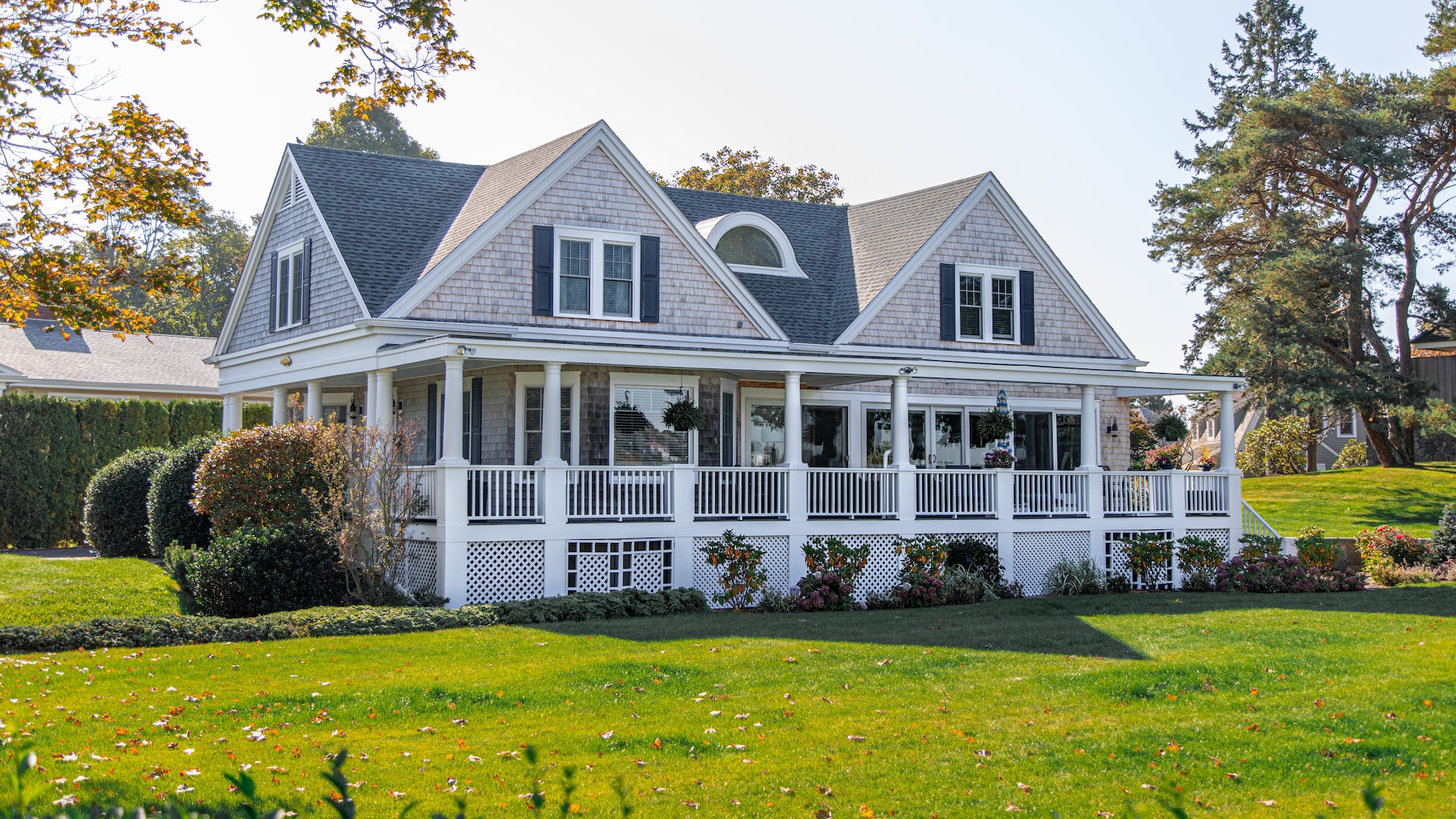
A garden can change almost without anyone noticing. The sapling planted to shade a sandpit becomes a broad canopy over the roof. A palm beside the driveway starts dropping heavy fronds. The tree that once framed a shopfront gradually hides the sign and crowds the customer entrance.
Trees bring character, comfort and beauty to a property, but they also need attention as their surroundings change. For homeowners, that might mean finding a sensible balance between summer shade and branches overhanging the house. For small businesses, it could mean keeping paths accessible, parking areas practical and outdoor spaces welcoming.
Penrith arborist services for safer, healthier trees are available from Penrith Tree Cutting, a local company to consider for tree removal, cutting, trimming and pruning. Whether the concern is one awkward branch or a larger garden overhaul, the most useful starting point is not necessarily a chainsaw. It is a clear understanding of the tree, the site and what the owner hopes to achieve.
What a Penrith arborist Can Help You Assess
A tree does not need to look dramatic to deserve closer attention. Gradual changes, such as thinning foliage, dead branches or damage around the base, can be worth investigating. Equally, a large, mature tree is not automatically a problem simply because it stands near a building.
An informed assessment considers both the tree and its setting. That includes its condition, growth pattern, proximity to structures and the way people use the space beneath it.
For a Penrith household, the priorities might be shade, privacy and room for children to play. A café owner may be more concerned about branches above outdoor tables. A workshop operator might need clear access for delivery vehicles.
Start with the outcome you want
Before arranging tree services, describe the problem rather than prescribing the solution. “The branches scrape the gutter” is more useful than “Cut half the tree off”.
A practical brief might include:
- Keeping branches clear of a roof or driveway.
- Removing dead or damaged growth.
- Improving access around a building.
- Assessing a tree affected by recent storms.
- Preparing part of a property for approved landscaping.
- Exploring whether pruning could avoid removal.
This approach leaves room for a solution that addresses the concern without removing more growth than necessary.
Choosing Between Tree Trimming and Tree Pruning
The terms tree trimming and tree pruning often appear together, but they can describe different objectives.
Trimming commonly focuses on maintaining clearance or managing the outline of vegetation. Pruning is more selective, involving particular branches to support structure, address defects or achieve a defined management goal. In practice, the work can overlap, so the proposed cuts matter more than the label.
Clearance without unnecessary damage
A branch pressing against a roof may need attention, but cutting every branch back to the same distance can leave a poor result. Appropriate pruning takes account of branch attachments, the tree’s natural form and its likely response.
Removing too much foliage at once can stress a tree. Poorly positioned cuts can also create wounds or encourage vigorous regrowth that needs further management.
Ask the contractor to explain what will be removed, why those branches have been selected and how the tree is expected to look afterwards. A shared understanding helps avoid the familiar disappointment of a garden that suddenly feels bare.
Timing depends on the tree
There is no single pruning date that suits every species and circumstance. Flowering habits, seasonal growth, tree condition and the purpose of the work all influence timing.
Urgent damaged-branch removal may not be able to wait. Routine shaping or maintenance usually offers more flexibility. If birds or other wildlife are using the canopy, that should also be raised before work begins.
When Tree Removal Becomes the Practical Choice
Keeping a suitable tree is often worthwhile, but retention is not always realistic. Tree removal may be considered where a tree is dead, seriously compromised, unsuitable for its position or incompatible with an approved project.
The decision should account for more than convenience. Removing a mature canopy can change shade, privacy and the feel of an entire garden.
Understand the site before the work
A tree removal service should consider access, nearby structures, fences and the available space for handling branches and timber. A tree in an open paddock presents different challenges from one above a narrow courtyard.
Where space is restricted, removal may require controlled dismantling in sections rather than felling the tree whole. The appropriate method depends on the site and the contractor’s assessment.
Before accepting a quote, ask whether it covers:
- The agreed extent of tree removal.
- Management of branches and larger timber.
- Removal or retention of woodchip.
- Site clean-up.
- Any separate stump work.
- Access arrangements and protection of nearby features.
Clear scope makes comparing quotations much easier than looking at the final price alone.
Tree Cutting Is Not the Same as Tree Lopping
“Tree cutting” is a broad expression. It can cover anything from removing a small branch to dismantling a mature tree. Tree lopping, meanwhile, is often used casually to describe substantial cutting back, particularly where large branches are shortened without regard to suitable pruning points.
That distinction matters because a quick reduction in size does not necessarily produce a healthier or more manageable tree.
Why the method matters
Indiscriminate lopping can leave large wounds and trigger dense regrowth. Depending on the species and the cuts made, that regrowth may create future maintenance concerns.
A useful conversation is therefore not simply, “How short can you make it?” Better questions include:
- Can the clearance problem be resolved selectively?
- Will the proposed work preserve a reasonable tree structure?
- Is the requested reduction appropriate for this species?
- Would removal and suitable replacement planting be more sensible?
The phrase “tree surgeon” is also commonly used for people undertaking tree work. Whatever terminology appears in a conversation or quotation, ask about relevant qualifications, insurance and experience with comparable jobs.
Giving Branch Removal the Attention It Deserves
A single limb can have a surprisingly large effect on a property. It might block a security light, hang above a garden shed or interfere with a vehicle turning area.
Tree branch removal still calls for planning. Branches are heavier than they look from the ground, and damaged timber may behave unpredictably when cut.
Leave difficult positions to professionals
Work involving height, suspended limbs or branches near buildings is not a good setting for improvisation. A ladder and a household saw do not provide the control needed for many overhead jobs.
Branches near powerlines require particular caution. Keep clear, do not attempt the work yourself, and contact the electricity network operator or an appropriately authorised contractor for guidance.
From a safe position, you can help the initial discussion by taking photographs and identifying access restrictions. Avoid standing beneath a damaged limb to get a better image.
Making Sense of Palm Tree Removal
Palms create a distinctive silhouette, but their maintenance needs differ from those of branching trees. Heavy fronds, fruit, height and awkward access can complicate the work.
Palm tree removal may be considered when a palm is unsuitable for its location, presents an assessed concern or conflicts with a planned use of the site. Sometimes maintenance rather than removal may address the owner’s priorities.
Account for more than the trunk
When requesting an assessment, mention nearby roofs, pools, fences and garden beds. Ask how fronds and trunk sections will be handled and whether the proposed price includes removing the resulting material.
If replacement planting is planned, think about the space available at maturity. A well-chosen smaller plant can provide an appealing focal point without repeating the same access or clearance problem.
Planning Tree and Stump Removal Together
The end of a tree removal job is not necessarily the end of the landscaping work. A remaining stump can obstruct mowing, interrupt a path layout or occupy the exact spot intended for a new garden feature.
Tree and stump removal should therefore be discussed as related but potentially separate tasks.
Match the method to the next use
Stump grinding typically reduces a stump below ground level, while excavation removes material through digging. The suitable approach depends on access, the intended future use and conditions around the stump.
Ask what depth or extent of work is included. Grinding a stump does not necessarily remove every root, and the area may need further preparation before construction or planting.
Underground services also need consideration before ground-disturbing work begins. Make sure responsibility for identifying relevant services is understood before machinery arrives.
Land Clearing with a Clear Purpose
Land clearing is more than removing everything that grows. On a residential block or small commercial property, it should begin with a defined plan for what stays, what goes and why.
An overgrown corner may contain useful screening worth retaining. A proposed access route might be adjusted to preserve a good tree. Selective work can sometimes achieve the practical objective while keeping more shade and character.
Before proceeding, establish boundaries, identify vegetation to be retained and check applicable requirements. Vegetation removal in Penrith may be subject to council controls or other restrictions, and requirements can vary with the property and the work proposed.
Do not assume that ownership alone gives permission to remove a tree. Confirm what approvals, if any, are needed before booking the job.
Responding Sensibly to Storm Damage
After strong winds, familiar trees can present unfamiliar hazards. Broken limbs may remain caught in the canopy, while a damaged tree can affect fences, driveways or buildings.
Emergency tree removal begins with keeping people away from the affected area, not with trying to clear it yourself.
Put safety ahead of access
If there is immediate danger to life, contact emergency services. Keep well away from fallen powerlines and anything touching them.
For other storm-related tree concerns, contact a suitable tree professional and describe the situation accurately. Explain whether the tree is blocking access, resting on a structure or showing visible damage. Ask about availability rather than assuming any company provides a round-the-clock emergency response.
Photographs taken from a safe distance can help with the initial discussion, although they cannot replace an on-site assessment.
Frequently Asked Questions
Can pruning fix every overgrown tree?
No. Pruning may improve clearance or address selected branches, but it cannot make every tree suitable for every location. Species, condition, structure and available space all influence the options.
Should I get permission before removing a tree?
Check before work begins. Council rules and other protections may apply, and exemptions should not be assumed. Ask what documentation is needed for your property and proposed work.
Is stump removal normally included?
Not necessarily. Some quotations cover only the above-ground tree. Request a written description of stump work, debris handling and clean-up so there are no surprises.
What information helps when requesting a quote?
Provide the property location, a description of the concern, approximate access width and photographs taken safely. Mention nearby buildings, overhead lines, restricted parking and any approval already obtained.
How can I learn more about Penrith Tree Cutting?
The Penrith Tree Cutting website is a starting point for reviewing the company’s advertised tree cutting, trimming, pruning and removal services. Confirm the scope, scheduling, qualifications and insurance relevant to your particular job directly before proceeding.
Give Your Outdoor Space a Thoughtful Next Step
Good tree care is not about making every canopy smaller or removing every inconvenient trunk. It is about understanding what a property needs and choosing work that makes sense for the tree, the people and the setting.
For Penrith residents and small business owners, that may mean modest pruning, carefully planned removal or a staged approach to an overgrown site. Contact Penrith Tree Cutting when exploring those possibilities.
Begin with a clear description of the problem, check any approval requirements and ask for a written scope. A thoughtful conversation now can help create an outdoor space that remains useful, welcoming and enjoyable for years to come.