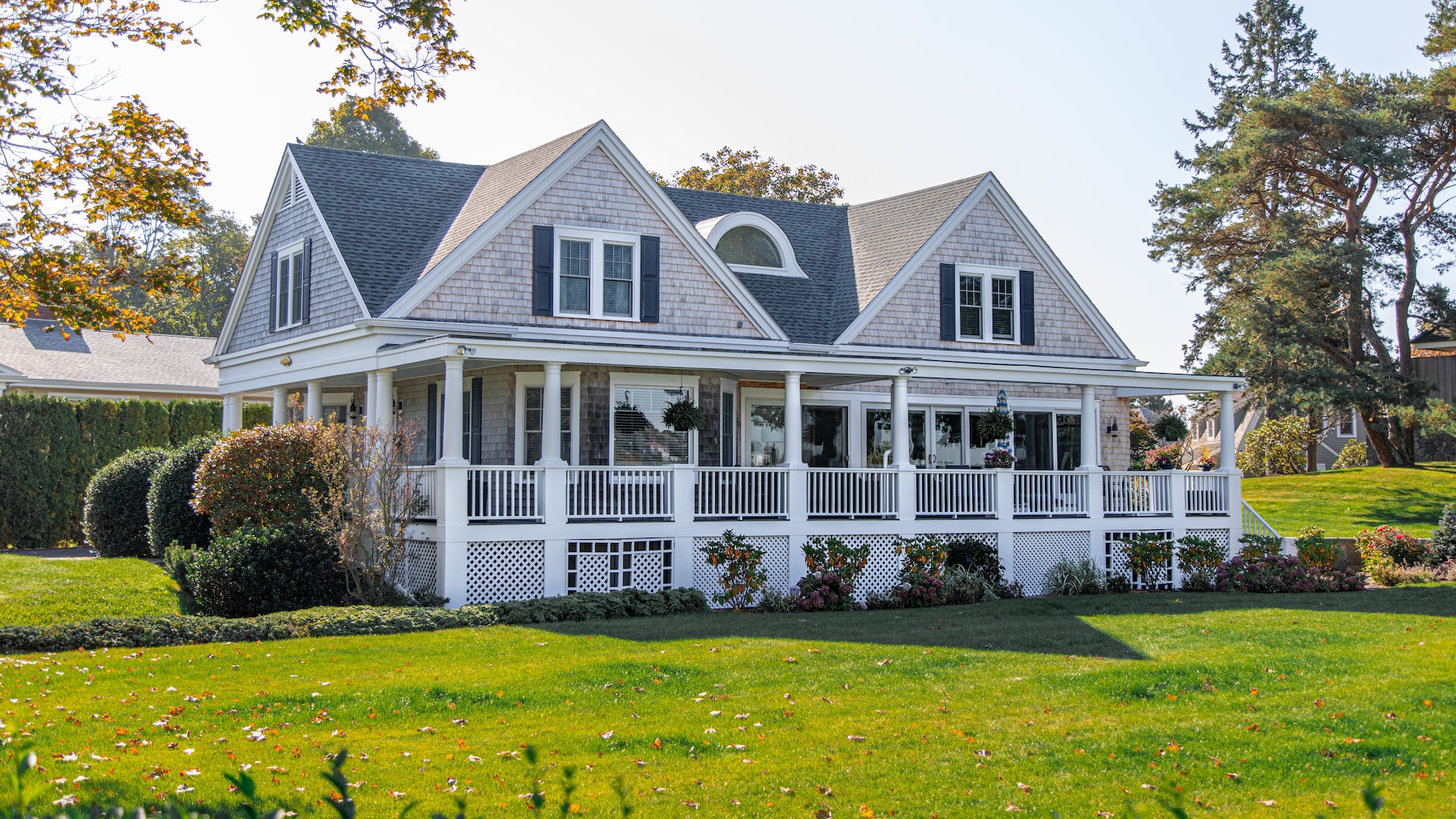
A tree can be the best feature on a property without ever being part of the original plan. It might shade the kitchen on summer afternoons, give birds a place to gather, or soften the view from a busy street. Yet the same tree can become a source of worry when branches crowd the roof, roots compete with a driveway, or a heavy limb begins leaning over the neighbour’s fence.
For homeowners and small business owners in Hastings, good tree care is about finding the balance between keeping useful greenery and making outdoor spaces safer and easier to manage. Sometimes that means thoughtful pruning. Sometimes it means removing a damaged branch. Occasionally, the most sensible decision is to remove the tree altogether. Local Hastings tree services and expert property care can help you choose the right approach.
The important part is knowing which response suits the situation. With the right advice, tree work becomes less about cutting things back and more about planning a property that works well for the people who use it.
Hastings Tree Services for Everyday Property Decisions
Hastings Tree Services is a local company to consider for tree removal services, tree cutting, trimming and pruning in Hastings. Its website, hastingstreeservices.co.nz, provides a starting point for property owners looking to discuss their trees and the work they may need.
Before arranging any job, it helps to describe the problem rather than prescribe the solution. “The branches scrape the gutter in windy weather” gives a contractor more useful information than “take half the tree off”. Likewise, wanting more afternoon light does not automatically mean the whole tree needs to go.
A clear brief allows the conversation to focus on suitable options, practical constraints and the likely outcome.
Start With How the Space Is Used
The same tree can present different challenges depending on its surroundings. A spreading canopy above a quiet garden bed is different from one hanging over customer parking or a frequently used entrance.
Consider:
- Where people walk, park, work and gather.
- Whether branches touch buildings or block signs.
- How much shade the tree provides through the day.
- Whether falling leaves or fruit create maintenance problems.
- What nearby plants depend on the tree’s shelter.
These details help put the tree’s condition into the context of everyday life.
Knowing When to Prune and When to Remove
A large tree is not necessarily a dangerous tree, and a small one is not necessarily sound. Decisions should be based on its condition, structure, species and position, rather than size alone.
Tree pruning can address selected defects or improve clearance while retaining much of the canopy. Tree removal may be more appropriate where a tree is dead, seriously compromised, badly positioned, or unsuitable for the available space.
An arborist can help assess those factors. For significant or complex work, ask who will assess the tree, who will carry out the cutting, and what relevant training and experience they have.
Signs Worth Having Assessed
Some changes deserve professional attention, particularly when a tree stands near a house, workplace or public access area.
Examples include:
- A newly developed lean or movement around the root plate.
- Large cracks in the trunk or major branch junctions.
- Broken limbs caught within the canopy.
- Sudden dieback or a marked decline in leaf cover.
- Cavities, decay or fungal growth near the base.
None of these observations tells the whole story on its own. A hollow, for example, does not automatically make removal necessary. Equally, a leafy canopy does not prove that a tree is structurally sound.
Tree Trimming With a Clear Purpose
People often use tree trimming and pruning interchangeably. In everyday conversation, trimming tends to suggest managing shape or clearance, while pruning can involve more targeted decisions about structure, growth and damaged wood.
Whatever term is used, every cut should have a reason. Removing too much live foliage can stress a tree, reduce its natural appearance and encourage vigorous replacement growth.
Good work should suit the species and the objective. That might involve creating modest clearance above a path, removing dead branches, or reducing selected limbs that extend towards a building.
Why Tree Lopping Deserves Caution
Tree lopping is sometimes used loosely to describe almost any substantial cutting. However, severe or indiscriminate cutting back can leave large wounds and stimulate poorly attached shoots.
A dramatic reduction may look tidy at first, but it can create a cycle of rapid regrowth and repeat maintenance.
Instead of simply asking for a tree to be “lopped”, explain the result you want. Better light, roof clearance and less interference with a driveway may each call for a different approach. Ask what can reasonably be achieved without compromising the tree’s long-term condition.
Safe Tree Cutting Around Homes and Businesses
Tree cutting becomes considerably more complicated when there is little room for branches to fall. Fences, sheds, glasshouses, outdoor furniture and neighbouring buildings all affect how work can be approached.
A tree that cannot be felled into a clear area may need to be dismantled in sections. Depending on the site, that can involve climbing, suitable access equipment and controlled lowering techniques.
The method should be determined by a competent contractor after assessing the conditions, not assumed from a photograph alone.
Tree Branch Removal and Tree Limb Removal
A troublesome branch does not always justify removing an entire tree. Targeted tree branch removal may resolve an immediate clearance problem or deal with broken growth.
Larger tree limb removal needs particular care because the weight and leverage involved can be substantial. Cutting a loaded limb can cause it to swing, split or drop unexpectedly.
Avoid using a ladder and chainsaw together or attempting to cut branches close to power lines. If a tree is contacting electrical infrastructure, keep clear and contact the electricity network operator. Do not assume a branch is safe to touch simply because it appears dry or still.
Planning a Tree Removal Service Properly
Once removal is the agreed approach, the quote should make the scope clear. “Remove the tree” can mean different things to different people, especially when timber, mulch and stumps are involved.
Ask whether the proposed work includes:
- Taking down the tree to an agreed height.
- Removing branches and other green waste.
- Cutting larger timber into manageable pieces.
- Grinding or otherwise dealing with the stump.
- Tidying the work area and explaining any remaining limitations.
Stump work should not be assumed to be part of the price. Its suitability may also depend on access, underground services and what is planned for the area afterwards.
Check Before Cutting
Before substantial pruning or removal, check whether the tree is protected or subject to relevant Hastings District Council rules. Work near boundaries, roads or utilities may raise additional requirements.
Ownership matters too. A tree close to a fence may affect more than one property, and access arrangements should be agreed before work begins.
For a business, timing is another practical consideration. Temporary parking restrictions, customer access and deliveries may need to be planned around the job.
Palm Tree Removal and Other Specialist Situations
Palm trees bring a distinctive look to a property, but their maintenance and removal can differ from that of branching trees. Species, height, access and retained dead fronds can all affect the work involved.
Palm tree removal should be discussed as a specific job rather than treated as a routine version of another tree removal. Heavy material and restricted access may require a carefully planned approach.
Land Clearing With Restraint
Land clearing may be needed for a building project, a new access route or an overgrown section. The most useful starting point is a plan showing what should stay as well as what should go.
Keeping suitable trees can preserve privacy, shade and shelter. Removing vegetation without considering drainage, erosion or future landscaping can create a bare site that is expensive to improve later.
Confirm the clearing boundary, check for relevant restrictions, and identify any underground services before machinery or cutting begins.
Responding to Storm Damage Without Taking Risks
Strong winds can turn a familiar garden into an unfamiliar hazard. A hanging branch, partially uprooted tree or split trunk may remain unstable after the weather settles.
Where emergency tree removal appears necessary, keep people and pets away from the affected area. Do not walk beneath suspended limbs or attempt to free branches trapped against a building.
If there is immediate danger to people, contact emergency services. Where electrical lines are involved, contact the network operator and stay well clear.
When seeking urgent assistance, describe the location, visible damage and nearby hazards. Photos taken from a safe position may help a contractor understand the situation, but do not approach a damaged tree just to get a better image.
Frequently Asked Questions
Is a Tree Surgeon Different From an Arborist?
The terms often overlap in everyday use. “Tree surgeon” commonly describes someone undertaking practical tree work, while “arborist” generally refers to a person trained in tree care and management. Rather than relying on the title alone, ask about qualifications, experience, insurance and suitability for the proposed job.
What Time of Year Is Best for Pruning?
It depends on the species, its condition and the reason for pruning. Flowering habits, disease considerations and seasonal growth can influence timing. Broken or hazardous branches may require prompt attention, while routine work can often be scheduled for a more suitable period.
Can Pruning Stop Leaves Falling Into Gutters?
Pruning may reduce overhang, but it will not necessarily eliminate falling leaves. Excessive cutting can damage the tree without solving the maintenance issue. Gutter cleaning, suitable guards and sensible clearance may form a more balanced approach.
Should I Remove a Tree Before Selling My Property?
Not automatically. A healthy, well-positioned tree can contribute shade, privacy and visual appeal. Addressing defects and improving clearance may be more useful than removing a mature feature. Consider the tree’s condition and the property’s presentation together.
What Should I Ask Before Accepting a Quote?
Ask about the proposed method, waste removal, stump treatment, access needs, insurance and any permissions required. Confirm what is included in writing, along with how unexpected findings or changes to the job will be handled.
Give Your Outdoor Space a Thoughtful Next Step
Good tree care begins with a practical question about what needs to change. Perhaps the entrance needs more clearance, a damaged limb needs attention, or a tree has outgrown its place in the garden.
For Hastings homeowners and small businesses, the best outcome is not necessarily the most dramatic one. Selective pruning may preserve a valued canopy. Careful removal may make space for a better-suited replacement. A planned maintenance visit may prevent a recurring problem from becoming urgent. You can explore Hastings tree care services to learn more.
Start with an assessment, ask clear questions and agree on the scope before cutting begins. That small amount of preparation can make the difference between simply changing a tree and genuinely improving the property around it.