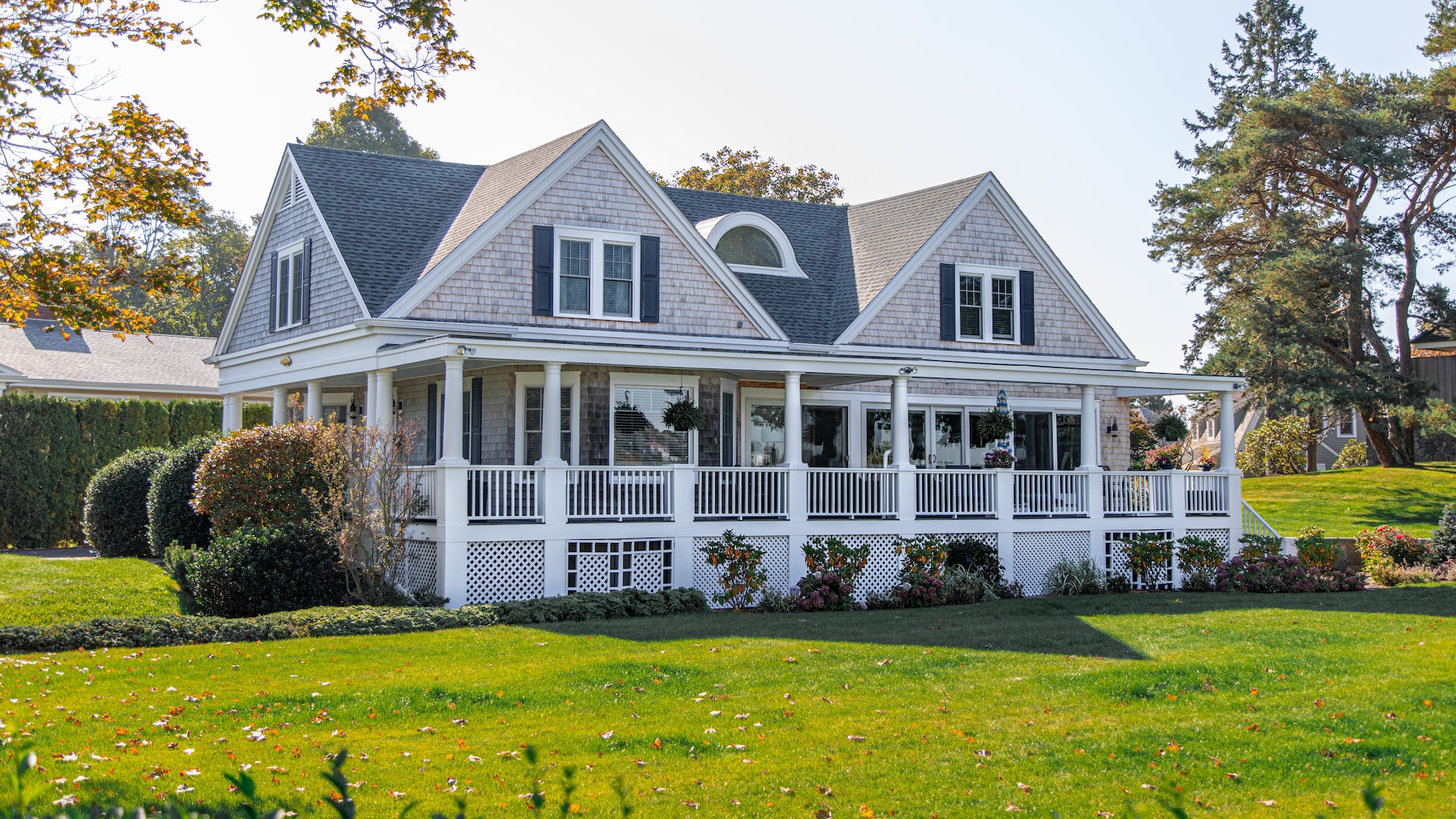
A garden can change almost without anyone noticing. One summer, a tree provides just the right patch of shade for lunch outside. A few seasons later, its branches brush the roof, the lawn beneath it struggles, and the afternoon light no longer reaches the kitchen window. For a small business, the same gradual growth might obscure a sign, crowd a customer entrance, or make a car park harder to maintain.
Trees bring character, shelter, and a sense of permanence to a property. Looking after them, however, requires more than cutting back whatever looks untidy. The best decisions consider the tree’s condition, the space around it, and what the owner wants that space to become.
For homeowners and business operators in Aotea, reliable tree trimming in Aotea for safer, tidier outdoor spaces can help keep trees healthy and properties looking their best. Porirua Tree Services is a local company to consider when arranging tree removal, cutting, trimming, or pruning. Whether the goal is a brighter courtyard or the removal of a troublesome tree, a clear understanding of the work helps turn an uncertain job into a practical plan.
Why tree trimming in Aotea Deserves Careful Planning
Aotea gardens sit within the wider Porirua landscape, where exposure, sloping sections, and neighbouring buildings can all influence how trees grow and how they should be managed. A tree tucked behind a house may develop differently from one standing in an open, windy position.
That makes a one-size-fits-all approach unhelpful. Removing a few carefully selected branches may solve a light problem without sacrificing privacy. In another garden, the issue may be poor structure, damaged limbs, or a tree that has simply outgrown its setting.
Before arranging work, it helps to identify the actual problem. “The tree is too big” is a starting point, but “branches are rubbing against the gutter” gives an arborist something more useful to assess.
Start With the Space You Want to Improve
Think about how the property is used throughout the day. Is the deck too shaded in winter? Does a delivery vehicle struggle beneath low branches? Are fallen leaves collecting around an entrance?
A useful initial checklist includes:
- Branches approaching roofs, gutters, fences, or neighbouring buildings.
- Growth obstructing paths, driveways, signs, or outdoor lighting.
- Dead, split, hanging, or visibly damaged limbs.
- Areas where improved light would make a meaningful difference.
- Trees whose long-term size may not suit the available space.
These observations help guide a conversation. They do not replace a professional assessment, particularly where large trees or structural defects are involved.
Understanding What an Arborist Actually Does
An arborist assesses and manages trees with their health, structure, surroundings, and potential risks in mind. The work is not simply about making a canopy smaller. It involves deciding whether intervention is needed and, if so, what kind is appropriate.
People sometimes use terms such as tree arborist or tree surgeon when searching for help. Although those descriptions commonly point towards similar work, the useful questions concern the person’s training, experience, insurance, and approach to the particular job.
A professional assessment may consider the species, visible condition, previous pruning, branch attachments, and the relationship between the tree and nearby structures. Some concerns require further investigation, and no visual inspection can guarantee that a tree will never fail.
Good Advice Can Mean Less Cutting
A thoughtful recommendation may involve modest tree pruning rather than extensive cutting. It might also involve monitoring a concern or choosing a better time for non-urgent work.
When speaking with Porirua Tree Services, explain both the immediate issue and your longer-term intentions. A family planning a garden renovation may need a different solution from a shop owner seeking reliable clearance above a public entrance.
Ask who will assess the tree, what the proposed work is intended to achieve, and how its likely effects will be explained.
Choosing Between Trimming Pruning and Removal
Tree services cover several different tasks, and the terminology can become confusing. Knowing the broad distinctions makes it easier to understand a quote and compare recommendations.
Trimming for Clearance and Appearance
Trimming commonly addresses growth extending into unwanted areas. It may help maintain clearance around a path or improve the outline of a smaller ornamental tree.
Even apparently simple trimming needs care. Repeatedly cutting a tree into a shape that conflicts with its natural growth can create an ongoing maintenance problem.
Pruning for Structure and Tree Health
Tree pruning involves selective cuts made for a defined purpose. That may include removing deadwood, reducing a particular branch, or improving the developing structure of a young tree.
The amount removed, the position of each cut, and the timing all matter. Excessive pruning can stress a tree, expose previously shaded bark, and encourage vigorous replacement shoots.
Where a property owner wants more sunlight, targeted pruning may be more suitable than an indiscriminate reduction across the entire canopy.
Removal When Retention Is Not Practical
Tree removal may be appropriate when a tree is dead, seriously compromised, unsuitable for its position, or in conflict with a planned use of the land. It is not automatically the right answer to shade, leaf fall, or seasonal mess.
A tree removal service should explain the proposed method and the practical implications. Depending on access and surrounding obstacles, a tree may need to be dismantled in sections rather than felled in one piece.
Clarify whether the quote includes branches, larger timber, debris removal, and any stump work. These are separate considerations, not details to leave until the crew arrives.
Why Tree Lopping Is Not a Shortcut
The phrase tree lopping is often used casually to describe cutting a tree back hard. In practice, severe or indiscriminate cutting can create large wounds and stimulate dense regrowth that requires further attention.
A canopy that looks smaller immediately after work is not necessarily better managed.
Instead of requesting a particular cutting technique, explain the outcome you need. You might want branches farther from a building, less weight at the end of a limb, or improved access beneath the canopy.
An arborist can then discuss whether that result is achievable without compromising the tree unnecessarily. Some trees will never suit a small space, however often they are cut back. In those cases, removal and replacement with a more suitable species may be worth considering.
Managing Branches Near Buildings and Busy Areas
Tree branch removal can look straightforward from the ground while involving considerable complexity overhead. A branch may be under tension, supported by other growth, or positioned above a fragile roof.
The same applies to tree limb removal. Larger sections can be unexpectedly heavy, and their movement during cutting is not always obvious to an untrained observer.
For residential properties, nearby sheds, washing lines, glasshouses, and parked vehicles need consideration. For businesses, the work area may also affect pedestrians, deliveries, staff access, and trading hours.
Before the job, discuss:
- Where equipment and vehicles will need access.
- Which areas must remain clear during the work.
- How nearby buildings and garden features will be protected.
- Whether customers or neighbours need advance notice.
- What cleanup and waste removal are included.
Never attempt overhead cutting from an unstable ladder. Branches near power lines require specialist coordination; keep clear and contact the electricity network operator for guidance.
Special Situations That Need Their Own Plan
Not every tree-related job fits neatly into routine garden maintenance. Some require different equipment, additional checks, or a broader view of the site.
Palm Tree Removal
Palms have a different growth structure from typical branching trees. Heavy fronds, retained material, and difficult access can complicate their management.
If palm tree removal is needed, provide photographs and details about access when requesting an assessment. Confirm that the contractor can undertake the particular job rather than assuming every provider handles every type of tree.
Land Clearing
Land clearing can involve much more than removing visible vegetation. Boundaries, underground services, access routes, erosion, and the future use of the land all deserve attention.
For a renovation or small development, identify what must remain before anything is cut. Useful shelter, established planting, and valuable trees are easy to lose when the brief is simply to “clear the section”.
Check whether council requirements or other restrictions apply before work begins. Do not assume that private ownership means every tree can be removed without further enquiries.
Emergency Tree Removal
After strong winds, a damaged tree can create an urgent problem. Hanging branches, a newly leaning trunk, or movement around the roots are reasons to keep people away and seek professional advice promptly.
Emergency tree removal should not begin with a homeowner trying to release a trapped branch or pull a damaged limb free. Maintain a safe distance, avoid the area beneath the canopy, and contact emergency services if there is an immediate threat to life.
When calling a contractor, describe what has happened, what is nearby, and whether access is blocked. Ask about current availability rather than assuming an emergency response is guaranteed.
Getting a Useful Quote From Porirua Tree Services
A good enquiry gives the contractor enough information to understand the task without pretending to diagnose the tree remotely.
Include the property location, approximate tree size, access limitations, and the result you hope to achieve. Clear photographs taken from a safe position can help explain the setting.
The Porirua Tree Services website is a starting point for making an enquiry about tree cutting, trimming, pruning, or removal. Follow that enquiry with questions about the proposed scope, timing, insurance, and who is responsible for any required permissions.
For small businesses, mention opening hours and delivery schedules early. For households, flag narrow side access, pets, shared driveways, and recently landscaped areas.
A written quote should make the agreed work understandable. “Prune tree” is far less useful than a description identifying the tree, the intended clearance, and the handling of cut material.
Frequently Asked Questions
How Often Should a Tree Be Pruned?
There is no universal schedule. Species, age, condition, location, and previous work all influence the need for pruning. Young trees may benefit from formative attention, while established trees should not be cut simply because a calendar reminder appears.
Can Pruning Make a Tree Completely Safe?
No. Appropriate pruning can address particular defects or reduce certain risks, but it cannot eliminate every possibility of failure. Weather, decay, and changing site conditions remain relevant.
Is Removing a Tree Always More Expensive Than Trimming It?
Not necessarily. Cost depends on size, access, complexity, equipment, and waste handling. A difficult pruning job above a building may require more time and care than removing a smaller tree in an open area.
Should the Stump Be Included in the Quote?
Ask explicitly. Cutting down a tree does not automatically include stump grinding or removal. Explain whether the area will become lawn, planting space, paving, or part of a building project.
Can I Keep the Wood or Mulch?
Discuss this before work starts. Retaining suitable material may be useful, but storage space, timber size, and plant health considerations can affect the arrangement.
Give Your Trees a Clearer Future
Good tree care begins with a clear purpose, not simply a desire to cut things back. Better light, safer access, healthier growth, and a more usable outdoor space are all worthwhile goals, but each calls for an appropriate approach.
For Porirua residents and small business owners, a conversation with Porirua Tree Services can help establish what work is needed and what should happen next. Describe the problem, request a clear scope, and ask how the proposed work supports the property’s longer-term needs.
A well-considered decision today can preserve the shade you love, remove the growth you do not need, and leave the whole property working better tomorrow.