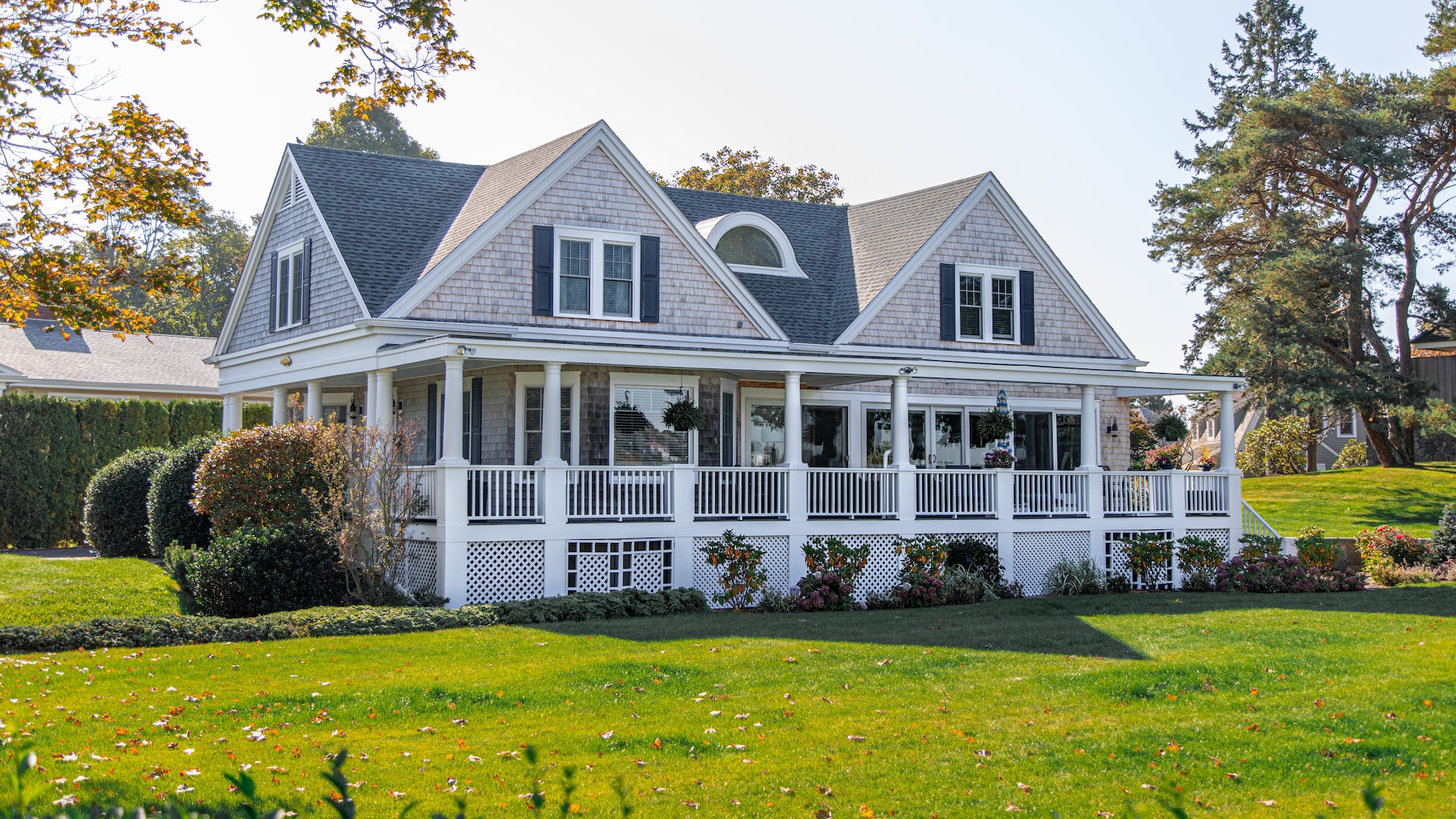
A tree can become part of a property’s identity without anyone quite noticing. It shades the kitchen through summer, frames the front gate and gives visiting birds a dependable landing place. Outside a small business, it might soften a car park or make a courtyard feel welcoming enough for customers to linger.
Then something changes. A branch starts brushing the roof. Roots lift a section of paving. A palm drops heavy fronds near the driveway, or a storm leaves a once-familiar canopy looking decidedly unfamiliar.
Knowing what to do next is not always straightforward. Cutting everything back can create new problems, while leaving a damaged tree unattended may allow an avoidable hazard to develop. Good tree care starts with understanding the tree, the space around it and what the property needs.
For homeowners, landlords and small business operators in Pagewood, Sydney Wide Tree Services is a company to consider when arranging tree removal services, tree cutting, trimming and pruning. The most useful starting point, however, is not deciding what should be cut. It is working out what outcome will make the property safer, healthier and easier to enjoy. An experienced arborist in Pagewood can offer practical tree-care advice to help guide that decision.
What an arborist in Pagewood Can Help You Understand
Trees rarely respect property boundaries, renovation plans or parking arrangements. Their crowns spread towards light, their roots explore available soil, and their condition can change in ways that are difficult to judge from the ground.
An arborist assesses more than whether a tree looks untidy. Relevant considerations can include its species, structural condition, growing environment and proximity to buildings, paths and services. The aim is to distinguish a manageable maintenance issue from a problem that may require more substantial work.
A dense canopy, for example, does not automatically mean a tree needs removal. Selective pruning may provide suitable clearance. Equally, a tree with plenty of green foliage can still have structural defects that deserve attention.
Start With the Problem You Want Solved
Before requesting tree services, take a walk around the property from a safe distance. Think about what has changed and where the concern lies.
Useful observations include:
- Branches touching roofing, gutters or neighbouring structures.
- Dead limbs above paths, outdoor seating or parking spaces.
- New cracks, splits or hanging branches following severe weather.
- Soil movement or changes around the base of a tree.
- Canopy growth that obstructs signs, lighting or access.
- Fallen palm fronds or fruit creating recurring maintenance problems.
These observations help explain the issue, but they are not a substitute for assessment. Avoid climbing a suspect tree or standing beneath a damaged limb to take a closer photograph.
Choosing Between Pruning and Removal
Tree removal is sometimes necessary, but it should not be treated as the default answer to every inconvenient branch. Where practical, retaining an established tree can preserve shade, privacy and the character that makes an outdoor area pleasant.
Tree pruning involves making selected cuts for a defined purpose. That might mean removing deadwood, improving clearance, addressing particular structural concerns or managing branches that interfere with a building.
Removal, by contrast, takes the tree out of the landscape entirely. It may be appropriate when a tree presents an unacceptable risk, is dead or severely compromised, or conflicts with approved building work in a way that cannot reasonably be resolved.
Why the Size of the Cut Matters
Cutting a substantial limb changes how weight is distributed through a tree. Poorly positioned cuts can also leave large wounds or encourage vigorous regrowth with weaker attachments.
This is why “take a bit off everywhere” is not a particularly useful maintenance brief. Better questions are:
- What is the purpose of the proposed pruning?
- Which branches need attention?
- How much living canopy would be removed?
- How is the tree likely to respond?
- Will follow-up maintenance be needed?
A clear explanation makes it easier to compare recommendations and understand the long-term implications of the work.
Tree Trimming Without Losing the Character
Tree trimming is often associated with keeping a garden neat, but its practical value goes beyond appearance. Well-planned work can maintain access along a side passage, improve clearance above a driveway and prevent branches from rubbing against a roof.
For small businesses, it can also help keep entrances visible and outdoor areas usable. A leafy frontage is an asset only if customers can comfortably reach the door and see where they are going.
The distinction between trimming and pruning is not always used consistently in everyday conversation. Rather than focusing on terminology, describe the result you want and ask how it will be achieved.
A Lighter Touch Often Works Better
A mature tree does not need to resemble a freshly clipped hedge. Its natural form is part of its appeal, and excessive canopy reduction can undermine both appearance and health.
Thoughtful maintenance usually focuses on particular issues rather than imposing an arbitrary shape. That might involve clearing one section of a roofline while leaving suitable branches elsewhere intact.
Season, species and condition also matter. There is no single pruning calendar that suits every tree in every Pagewood garden.
Understanding Tree Cutting and Tree Lopping
“Tree cutting” is a broad expression. It might describe removing a small branch, dismantling a large tree in sections or cutting fallen timber into manageable lengths. The phrase alone tells you little about the method or scope.
Tree lopping is another term frequently used in enquiries, often to mean a substantial reduction in height or spread. However, indiscriminate lopping or topping can leave large wounds and trigger dense regrowth. It may create an ongoing maintenance burden rather than solve the original problem.
A better approach is to ask for the proposed cuts and intended outcome to be explained. If retaining the tree is the goal, find out how the recommended work supports its future structure and condition.
The familiar term tree surgeon is also used for people carrying out specialist tree work. Whatever terminology appears in an advertisement, relevant qualifications, insurance and experience with the proposed task are more useful indicators to check.
When Tree Removal Becomes the Sensible Option
Sometimes a tree cannot safely or practically remain. In those circumstances, a carefully planned tree removal service should account for everything around it, not just the trunk.
A confined residential block can present challenges such as narrow access, neighbouring fences, overhead wires and limited space for lowering branches. At commercial premises, pedestrian movement, deliveries and trading hours may need consideration too.
Ask how the work area will be controlled and how nearby property will be protected. A large tree may need to be dismantled progressively rather than felled in one piece.
Check Permission Before Work Begins
Tree removal and significant pruning may be subject to council controls, development consent conditions or other protections. Requirements can vary according to the tree, property and proposed work.
Before authorising a job, confirm the applicable rules with the relevant council or authority. Do not assume that a tree can be removed simply because it stands within your boundary.
Where an urgent safety concern exists, seek advice about the appropriate process and any documentation required. Photographs and professional findings can be useful, but they do not automatically replace approval.
Palm Tree Removal and Falling Debris
Palms bring a distinctive look to a garden, but they come with their own maintenance considerations. Depending on the species, heavy fronds, fruit and seed material can create issues near paths, swimming pools, parked cars and outdoor dining areas.
Palm tree removal may be worth considering where a palm is unsuitable for its position or its ongoing maintenance requirements no longer suit the property.
However, removing a palm is not simply a matter of treating it like any other tree. Its growth structure and the way material must be handled call for appropriate methods and equipment.
Ask whether a quote includes loose material around the crown, removal of the trunk and management of the remaining stump. Those details can make a noticeable difference to the finished site.
Emergency Tree Removal After Wild Weather
Storm damage changes priorities. A split branch over a walkway or a partially uprooted tree near a building requires a different response from routine garden maintenance.
If you suspect an immediate hazard, keep people and pets away. Do not stand beneath hanging limbs, attempt to pull damaged branches down or use a ladder against an unstable tree.
Where powerlines are involved, stay well clear and contact the electricity network operator or emergency services as appropriate. Never assume a line is safe because it appears inactive.
Emergency tree removal should focus first on controlling the immediate risk. Further pruning, stump work or garden restoration may need to follow later.
When contacting a provider, describe the situation clearly and ask about current availability. Avoid assuming that every company offering tree work provides round-the-clock emergency attendance.
Tree and Stump Removal for a More Usable Garden
A removed tree can leave a surprisingly prominent reminder behind. A stump may interrupt mowing, occupy a future garden bed or sit exactly where a new path needs to go.
Tree and stump removal should therefore be discussed as separate parts of the scope. Removing the trunk does not necessarily include grinding the stump, excavating roots or taking away the resulting material.
Think About the Next Use of the Space
Before deciding how to manage a stump, consider what comes next. A lawn, paved area, vegetable bed and building footing can each require different preparation.
Questions worth asking include:
- Is stump grinding included in the price?
- What depth of grinding is proposed?
- Will grindings remain on site or be removed?
- Are underground services nearby?
- Will additional preparation be needed before replanting or landscaping?
Grinding a stump does not remove every root. Set realistic expectations about what the work will achieve and what your landscaper or builder may need afterwards.
Land Clearing With a Clear Plan
Land clearing may form part of a renovation, redevelopment or major landscape change. Even on a modest block, it deserves more planning than simply marking everything for removal.
Identify what must remain, where machinery can travel and how retained trees will be protected. Damage to trunks, roots or surrounding soil during other works can affect trees long after a project appears complete.
Clearing can also have implications for habitat, erosion, drainage and approvals. Check relevant requirements before work begins and consider whether selective removal would achieve the intended result.
For business properties, a staged approach may help preserve access and reduce disruption. Discuss timing, barriers and waste handling before equipment arrives.
FAQs About Local Tree Work
Does every overhanging branch need to be removed?
No. A branch extending over a garden or roof is not automatically unsafe. Its condition, attachment, clearance and surrounding circumstances matter. Assessment helps determine whether pruning is necessary.
Can I arrange tree branch removal without removing the tree?
Yes, selective branch removal is often possible. However, the size and position of the branch affect whether removing it is appropriate and how the tree may respond.
What should a written quote include?
Look for a clear description of the trees involved, proposed work, waste removal, stump treatment and any exclusions. Ask who is responsible for checking approvals and whether access arrangements affect the price.
Where can I find out more about Sydney Wide Tree Services?
The company’s website is sydneywidetreeservices.com.au. Use your enquiry to confirm service coverage in Pagewood, relevant qualifications and insurance, availability, and the exact scope of the work you need.
Give Your Outdoor Space a Thoughtful Next Step
Good tree care is not about making every tree smaller or every garden more open. It is about understanding what belongs, what needs attention and what can safely remain.
Whether you are managing a family backyard, rental property or customer-facing business, begin with a clear description of the problem. Seek an assessment, check approval requirements and request a written scope before committing to work.
Sydney Wide Tree Services offers a starting point for enquiries about removal, cutting, trimming and pruning. With the right questions and a considered plan, tree maintenance can protect the practical use of a property while preserving the greenery that makes it worth spending time outdoors.